Learn more about monitoring, observability, content engineering, accessibility, and performance
A growing library of practical writing on how websites work, how they fail, and how to make them better.
Useful content is part of the product
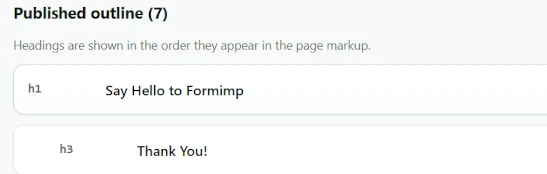
Content Engineering
The new resources section begins with Content Engineering , a hub focused on publishing useful, credible, well-structured content that works for both people and machines.
It is part editorial practice, part information architecture, and part technical discipline. If you care about trust, clarity, structure, and long-term discoverability, start there.
Software quality changes over time
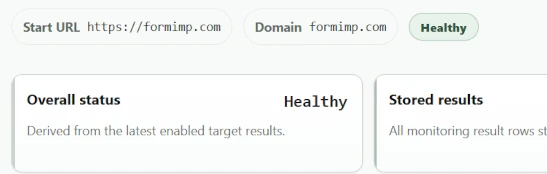
Monitoring and Reliability
The second major hub is Monitoring and Reliability , a section focused on regressions, software behavior, and the practical work of keeping systems dependable as they evolve.
Observability belongs in this conversation too. Monitoring gives you signals, observability helps make those signals useful, and reliability is what you are trying to protect before users pay the price for negative change.
Websites are systems, not just pages
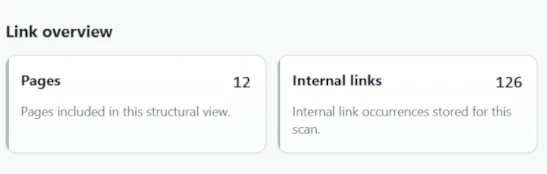
Site Structure and Integrity
The third hub is Site Structure and Integrity , a section focused on how pages, links, and URL behavior work together to shape the structure of a website.
This is where Siteimp gets a little architectural. Pages matter, but so do the relationships between them. Internal linking, redirects, and structural consistency all affect how easy a site is to understand, maintain, and improve.
Accessibility is practical website evidence
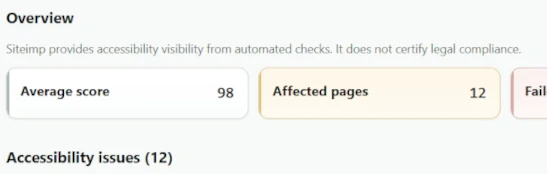
Accessibility
The newest hub is Accessibility , a section focused on screen reader usage, ARIA, heading structure, machine-readable meaning, and the practical work of making websites easier for more people to use.
Siteimp now exposes accessibility as specific evidence instead of hiding everything behind a single score. Individual checks, likely scope, and practical review steps make it easier to understand whether a problem belongs to page content, shared components, templates, or theme-level decisions.
Images are saying more than you think
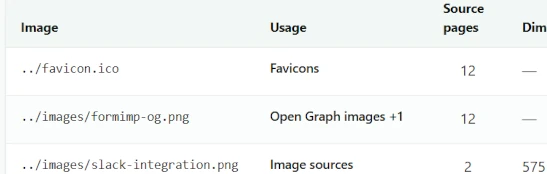
Image Integrity
The Image Integrity hub focuses on how images carry meaning, metadata, technical cost, and privacy risk on the modern web.
This is where Siteimp gets visual. Alt text, Open Graph images, file formats, EXIF data, and image reuse all affect how well an image works for both people and machines, and how much it may reveal along the way.
Legacy sections
Some older material still has reference value, even if it belongs to an earlier era of Siteimp. Rather than pretend it is current, I would rather label it honestly and keep the parts that still teach something.
Archived Core Web Vitals Resources
Core Web Vitals still matter, but this section reflects an older phase of the site and an older framing of the product. It remains online as a legacy reference section rather than the center of the resources library.
Retired Siteimp Reports
These documents come from the earlier reporting-focused version of Siteimp. They are retired, somewhat sentimental, and occasionally funny in their literalism, but they are still part of the history of the tool.